
Guide
How to buy ticketsfor football matches in Europe
What really happens behind the ticket market, where to sit, and how to tell a safe deal from a risky one.
Updated
The short answer
Most seats at the big European grounds belong to season-ticket holders, and the general sale opens late - sometimes days before the match, sometimes not at all. That is why most visiting fans buy through a supplier on the secondary market: the price is above the face value, and in return the seat is available months ahead, the category is known before you pay, and there is one address that answers. Three things decide whether the deal is a good one: exactly where you sit, how and when the ticket arrives, and who stands behind it.
Why the seats are not simply on sale
A full stadium looks like an opportunity, but most of it was sold before the season began. Four things decide what ever reaches a visiting fan:
Season-ticket holders come first
At the big clubs most seats are held by members, years ahead. What reaches the general public is what is left.
The sale window opens late
A club usually announces the public sale two to four weeks before the match. Anyone who has already booked a flight finds out then.
Entry is tied to identity
Some clubs require paid membership to see any stock at all, and the full name of every spectator. That is part of why an experienced supplier is worth the difference.
The kick-off itself moves
Broadcasters set the final day and time, sometimes weeks after a flight was booked. A Saturday match can move to Sunday.
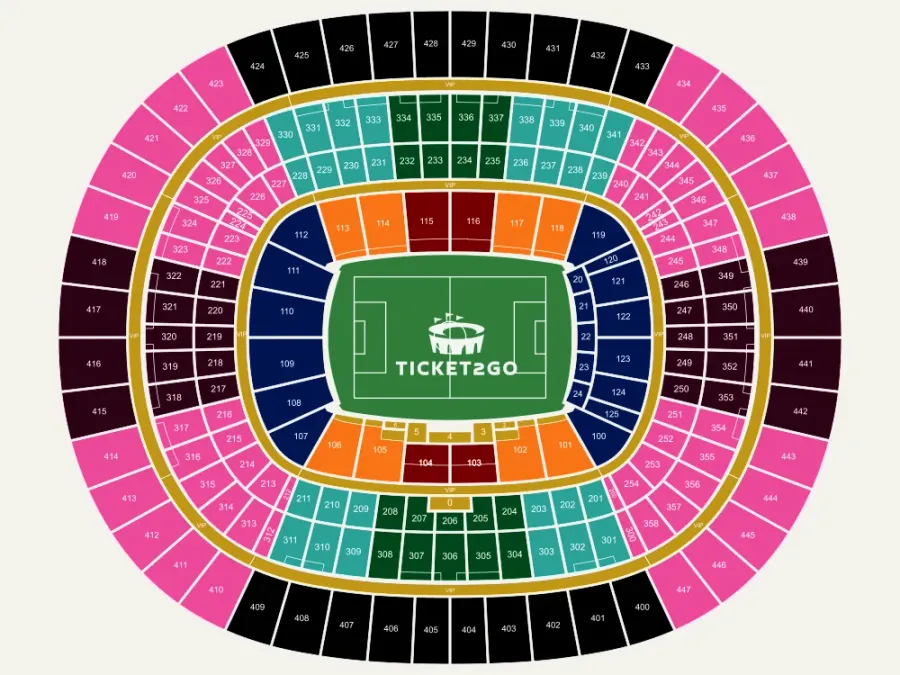
Where you sit: what a category means
A category is an area of the ground, not a specific seat. The closer to the halfway line, the higher the price. This is the split worth knowing before you order:
- LongsideFacing the match, the best angle there is - and the priciest.
- Behind the goalWhere the loud support sits. Great atmosphere, a harder angle.
- CornersA fair trade between price and view, especially in the lower tier.
- Upper vs lower tierUp high you read the whole game. Down low you feel it.
How the ticket reaches you
The delivery method follows the club and the ground, not a preference. Three are common:
E-ticket
A file to scan from the phone or to print.
Digital ticket
Loaded into the phone wallet.
Paper or plastic
Sent to the hotel or collected near the ground.
In most cases the ticket arrives 24 to 72 hours before kick-off, and sometimes earlier. It sounds late, and it is the norm: the club itself releases part of its stock close to the match.
And the name printed on the ticket?How to tell a safe deal
This is where it is easiest to be caught, and these six checks filter out almost every attempt:
- A real businessA name, a phone number and an address - not only a social profile.
- Traceable paymentA card or a transfer to a business account, with an invoice. Never a personal transfer.
- The category in writingAn order that does not say which area you are in is an order you cannot check.
- One address that answersBefore the trip, during it and after it - not only until the payment clears.
- A price that is too lowFor a big match, below face value is almost always a warning sign.
- Real reviewsReviews with names and dates, not praise a site wrote about itself.
When to order
The earlier you ask, the more there is to choose from - above all when seats have to be together:
- 3-6 monthsThe best availability, including larger groups and seats together.
- A month aheadStill reasonable. The choice is smaller and the popular categories go first.
- A week aheadA matter of luck. For a marquee fixture the price climbs sharply.
Before ordering, make sure the trip is certain. A ticket bought for you is genuinely bought from the supplier, so a cancellation carries a fee.
Common questions
Are the tickets genuine?
Yes. The tickets are completely genuine and come from authorised agents and suppliers. The name printed on the ticket is not necessarily yours - standard practice in this market, and it does not affect the ticket’s validity.
Is buying on the secondary market allowed?
Yes. It is a legitimate market across Europe. Some clubs restrict ticket transfers, which is why it matters to buy from someone who knows that club’s and that ground’s rules.
What happens if the match is postponed?
The tickets stay valid for the new date. If you cannot make it, we will try to help resell them, subject to the market and to availability.
How long before the match do the tickets arrive?
In most cases 24 to 72 hours before kick-off, sometimes earlier. Short instructions come with them, and some organisers ask for full names or ID details.
Can we sit together?
In most cases yes, though not always in the same row. Tell us that sitting together matters and the offer will be matched to it.
How do I get a quote?
Through the ticket request form or on WhatsApp. Tell us the match, how many tickets and the category you want, and we will come back with an offer made for it.
Want to check a match?
Tell us which match, how many tickets and which category - and we will come back with an offer made for it.
Go to the request form